What is 4K Player and How Does it Work?

Time:2026-03-09 Author:Liam
0%

In the era of high-definition entertainment, the demand for advanced viewing technology is ever-increasing. A 4K player is a device that allows users to experience movies and shows in stunning clarity. According to Alex Thompson, an expert from 4k [email protected], "A 4K player transforms ordinary viewing into an extraordinary adventure." This claim reflects the significant impact of this technology on our media consumption.

4K players work by decoding Ultra HD content, offering four times the resolution of standard HD. The vibrant colors and detailed imagery can transport viewers into new realms of entertainment. Yet, despite these advancements, it’s essential to recognize the limitations. Not all content is available in 4K, and not every TV can fully support this resolution.

The experience can also be affected by internet speed and bandwidth. Moreover, investing in a 4K player might not guarantee instant access to a vast library of Ultra HD content. It’s crucial to assess individual viewing habits and preferences. As technology continues to evolve, users must stay informed about their options to maximize their viewing experience.
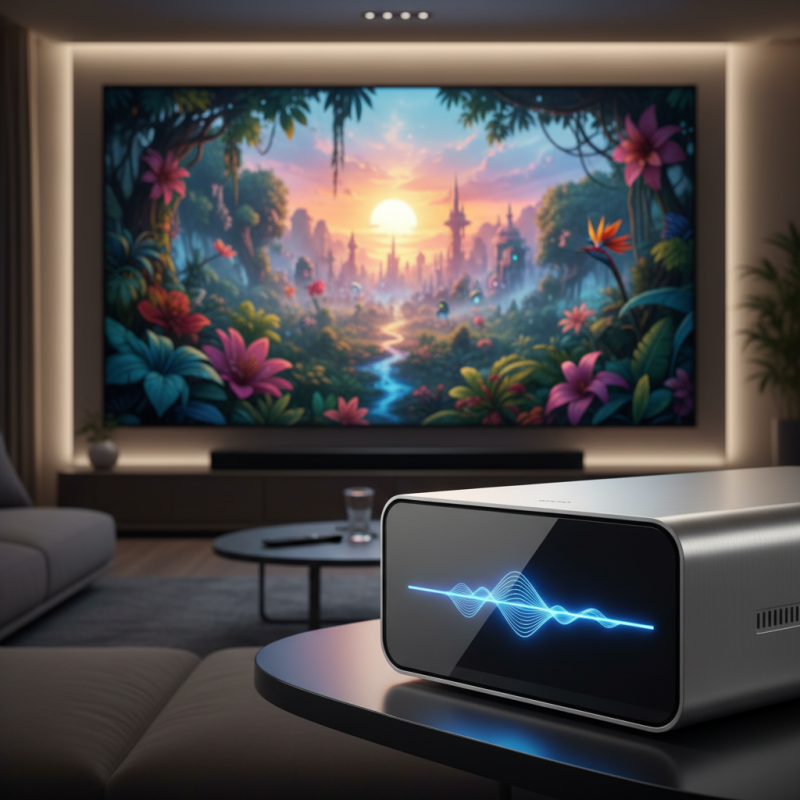
What is 4K Player and How Does it Work?

What is a 4K Player?

A 4K player is a device designed to play video content at ultra-high-definition resolution. It provides a viewing experience that offers four times the detail of 1080p HD. The standard resolution for 4K is 3840 x 2160 pixels, delivering sharper images and more vibrant colors. According to industry reports, 4K content is rapidly growing. In 2022, about 60% of households in the U.S. owned a 4K TV. This growth drives demand for compatible players.

These devices use advanced technology to decode 4K signals. The internal chips handle complex compression formats like HEVC and VP9. They also support HDR, which enhances color and contrast. Many 4K players now include streaming capabilities. Consumers want instant access to various content platforms. Statista reported that video streaming subscriptions increased by over 30% from 2021 to 2022.

Despite the advancements, some challenges exist. Not every 4K player supports all formats. Users may encounter compatibility issues. Additionally, internet bandwidth becomes crucial for seamless streaming. Reports show that nearly 25% of users experience buffering while streaming in 4K. These factors remind us that while technology advances, practical limitations linger.

4K Player Usage Statistics

Key Features of 4K Players

When discussing 4K players, several key features stand out. These players are designed to enhance the viewing experience with stunning picture quality. They support high dynamic range (HDR) content, which boosts brightness and contrast. This gives images more depth and detail. You can see vibrant colors and lifelike contrasts when watching compatible media.

Another important feature is the ability to play a variety of formats. Most 4K players can handle Blu-ray discs, streaming services, and even digital downloads. This versatility means users can enjoy a wide range of content in ultra-high definition. However, not all formats are created equal. Sometimes, compatibility issues arise. It's essential to check supported formats before purchasing.

Connectivity options also play a significant role. Many players offer HDMI ports and even USB slots for easy access. Streaming capabilities are also crucial. Some players give users direct access to popular streaming platforms. However, not all connections deliver the same performance. Network speed can impact streaming quality, sometimes leading to frustration. User experience can vary significantly, depending on individual setups.

How 4K Players Process Ultra HD Content

When it comes to processing Ultra HD content, 4K players utilize advanced decoding techniques. They support various formats, including HEVC and VP9. These formats are essential for streaming high-quality videos. Recent industry reports highlight that over 50% of consumers prefer 4K content for its superior clarity. This reality boosts the need for robust 4K players in households.

A significant aspect of 4K players is their ability to upscale lower-resolution content. The upscaling process enhances video quality, but there are limitations. Not all players produce the same results. Some may achieve better upscaling than others. According to a study by Technavio, nearly 40% of users noted the importance of upscaling quality in their purchasing decisions.

The audio processing capabilities of 4K players are equally crucial. They support high-definition audio formats, enhancing the overall viewing experience. However, many consumers overlook the significance of audio in Ultra HD content. Reports suggest that a significant portion of users focuses solely on video quality. This oversight can lead to a less immersive experience, reminding consumers of the importance of balance in media consumption.

Connecting a 4K Player to Your Display

Connecting a 4K Player to your display is straightforward, but a few key details matter. Begin by checking your display’s inputs. Most modern TVs come with HDMI ports. Ensure there is a compatible HDMI version for 4K content.

To connect, use a high-quality HDMI cable. It should support 4K video at the desired frame rates. Insert one end into the 4K player and the other into the display. Once connected, power on both devices. The display should automatically detect the player. If it doesn't, check your input settings.

Tips: Always use the right HDMI port. Some TVs have specific ports optimized for 4K. Understand your TV settings for best results. Experiment with the settings if you experience issues. Lastly, don’t forget about audio settings, especially if you use sound systems. Sometimes, the video is perfect, but the sound falters.

If your video quality still isn’t right, double-check your cable. Cheap cables often lead to poor performance. Upgrading your cable could make all the difference.

Best 4K Players on the Market Today

4K players are becoming popular among home entertainment enthusiasts. They play Ultra HD content, offering stunning visuals and improved audio. These devices enhance the viewing experience, making movies and shows more immersive.

When choosing a 4K player, consider the formats it supports. Look for players that can handle both physical discs and digital downloads. This ensures you have access to a wide range of content. Connectivity options are also important. Ensure the player has HDMI 2.0 or higher for the best performance.

Tips: Keep an eye on firmware updates. Manufacturers often release updates that improve performance and add new features. Also, check for HDR support. It significantly enhances color and contrast in videos.

Another important aspect is compatibility with your TV. Some older models may not support 4K content well. Testing different settings can help find the best picture quality. Remember, not all 4K players are created equal. Researching reviews can save you from disappointing purchases.

What is 4K Player and How Does it Work? - Best 4K Players on the Market Today

Player Type Resolution Supported Audio Formats Connectivity Options Additional Features
Standalone Player 4K UHD (3840 x 2160) DTS-HD, Dolby Atmos, LPCM HDMI, USB, Wi-Fi HDR Support, Streaming Apps
Media Player Software 4K UHD (3840 x 2160) DTS, AAC, Dolby TrueHD HDMI, Ethernet, Bluetooth Supports a Wide Range of Formats, Custom Playlists
Gaming Console 4K UHD (3840 x 2160) Surround Sound, Stereo HDMI, Wireless, LAN Gaming Enhancements, Streaming Services
Smart TV 4K UHD (3840 x 2160) DTS, Dolby Digital Wi-Fi, HDMI, USB Built-in Streaming Services, Voice Control

FAQS

: What is a 4K player?

: A 4K player is designed to play videos at ultra-high-definition resolution, offering four times the detail of 1080p HD.

What resolution does 4K provide?

The standard resolution for 4K is 3840 x 2160 pixels, resulting in sharper images and more vibrant colors.

Why is content availability important for 4K players?

Many users prefer instant access to various streaming platforms. Compatibility with multiple formats is often a concern.

How do 4K players enhance lower-resolution content?

They upscale lower-resolution videos, but the quality can vary between different players. Some may perform better than others.

Do 4K players impact audio quality?

Yes, they support high-definition audio formats, which enhances the viewing experience. However, this aspect is often overlooked.

What should I check when buying a 4K player?

Look for supported formats, connectivity options, and compatibility with your TV. Researching reviews helps in making informed choices.

Are firmware updates necessary for 4K players?

Yes, keeping an eye on firmware updates can improve performance and add new features to your player.

What happens if my internet bandwidth is low?

Low bandwidth can lead to buffering issues when streaming in 4K, affecting the overall experience.

How prevalent is 4K content now?

The demand for 4K content is growing, with many households adopting 4K TVs in recent years, reflecting a major trend.

What are some common challenges with 4K players?

Not all players support every format, which can lead to compatibility issues. Users may also face streaming difficulties.

Conclusion

A 4K player is a device designed to play Ultra HD content, delivering four times the resolution of standard HD. These players come with key features such as HDR support, high-quality audio output, and various streaming capabilities, ensuring an immersive viewing experience. They process 4K content by utilizing advanced video codecs and technologies that enhance color and detail, making movies and shows look exceptionally vibrant.

To connect a 4K player to your display, it's important to use compatible HDMI cables and ensure that your TV supports 4K resolution. As the market evolves, several 4K players offer impressive performance and features, catering to different needs and preferences. For more information or inquiries related to 4K players, you can reach out via email at [email protected].

Liam

Liam

Liam is a dedicated marketing professional with a profound expertise in the industry, where he excels at highlighting the unique advantages of our core products. With a keen understanding of market trends and consumer needs, Liam frequently updates our company’s professional blog, providing......