When considering home décor, lighting plays a key role. Many people enjoy enhancing their TV experience with LED backlights. Govee TV backlight LED strips have gained popularity for their vibrant colors and ease of use. However, a common question arises: can you cut Govee TV backlight LED strips? This query shows users want a customized fit for their personal spaces.
Cutting LED strips can be a bit complex. It requires a careful approach to ensure functionality after modification. Many users may hesitate, fearing they might void warranties or damage the product. Each cut location is designed specifically, so precision is critical. Ensuring you make the right cuts can lead to a tailored lighting solution, yet it might be wiser to plan the layout first.
In the end, understanding the limits of these LED strips is essential. While customization can create a unique atmosphere, mistakes in cutting may lead to disappointment. Users should consider whether the customization is worth the risk. Taking time to learn about the product may prevent potential pitfalls.
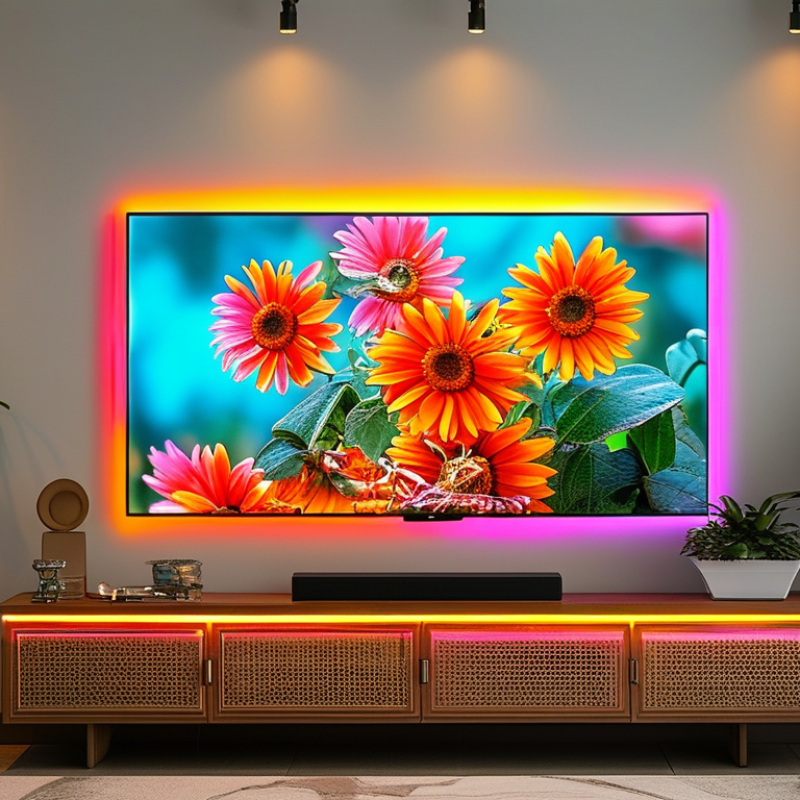
Customizing LED strips to fit your TV perfectly is a trendy way to enhance your viewing experience. Many users ask if they can cut LED strips to achieve this customization. Research from industry experts suggests that safely cutting LED strips can lead to a clean fit that enhances aesthetics and functionality.
It's crucial to understand that not all LED strips are designed to be cut. According to a report from Light Emitting Diode (LED) Magazine, only strips with designated cut points should be altered. Cutting at any other point can damage the circuitry, rendering the lights non-functional. This highlights the importance of checking manufacturer specifications before making any modifications.
When customizing, take your time and consider the layout of your space. Measure twice, cut once, and ensure your modifications fit snugly. Additionally, ensure the cut edges are clean. Use some electrical tape or heat shrink to prevent any potential shorts. This can increase the reliability of the strips and prevent future headaches.
Remember, while customization is appealing, it's important to reflect on your design. Mistakes can happen, and not every cut will yield perfect results. It may be wise to practice on a non-essential strip first before making any irreversible changes. This approach can help ensure a satisfactory final outcome.
LED strip lighting offers incredible versatility. They serve various purposes, from enhancing home theater experiences to adding ambiance to living spaces. Understanding their design is crucial. Their flexibility allows custom fitting, adapting to different surfaces and corners effortlessly.
Heating and adhesive backing are key features. Consider how these factors impact installation. Incorrect alignment can diminish their effectiveness. A careful approach ensures optimal results. While you might want to cut or adjust lengths, it’s essential to follow guidelines to avoid damaging the strips.
Not all LED strips are created equal. Some can be cut for adjustment, while others cannot. Educating yourself on the specifications is vital. It can be frustrating when expectations don’t meet reality. Trial and error can lead to new insights. Embrace these experiences for better future projects.
Cutting LED strips can lead to unexpected changes in performance. Many users believe they can customize their Govee TV backlight strips for a perfect fit. However, there are important trade-offs. When you cut a strip, you may alter the electrical flow. This can impact brightness and consistency.
After shortening LED strips, uneven illumination might occur. Some sections may appear dimmer than others. This is due to the reduction in the total number of LEDs lighting up. For users looking for vibrant colors and brightness, this is a significant consideration. It's crucial to understand that these strips are engineered for specific lengths and cuts may upset the design.
Moreover, the process of cutting requires precision. A careless cut can damage the strip entirely. Even with careful cuts, the connection points may not function correctly. Some users may find themselves troubleshooting more than enjoying their setup. It is essential to weigh the convenience of a custom fit against potential performance issues. Consider if your DIY project is worth the sacrifice in quality.
When modifying LED strips, safety is a significant concern. Cutting them might seem straightforward, but improper techniques can lead to hazards. It's important to ensure that you use sharp tools and clean cuts. Frayed edges can create short circuits. Always handle with care and wear gloves to avoid injuries.
Heat management is also critical. Prolonged exposure to heat can damage the strip. If the lights flicker after cutting, it might suggest a problem. Check the connections carefully. Improper insulation can lead to electric shocks. It’s best to test the strips in a safe area before final installation.
Consider the environment where you plan to use the strips. Damp areas increase risks. Moisture can affect the electrical components. Make sure the strips are installed away from potential water sources. Reflecting on these points will help ensure your customized setup is both functional and safe.
Cutting LED strips for a custom fit can be a rewarding yet challenging task. Many enthusiasts have experienced the frustration of uneven edges or improper cuts. To achieve a professional finish, preparation is key. Use a sharp pair of scissors or a cutting tool designed for LED strips. Measure carefully and mark your cutting line with a pencil. This step ensures you have clear guidance, reducing the chance of mistakes.
After cutting, it’s essential to prepare the ends of the strips. Apply a small amount of adhesive or use heat shrink tubing to protect the exposed ends. This will help prevent damage and maintain the strip’s functionality. Additionally, consider the placement of connectors carefully. Poor placement can lead to uneven lighting and affect the overall aesthetic. If you encounter issues with alignment, take a moment to reassess your setup.
Cleaning the area after cutting is often overlooked but important. Dust and debris can affect adhesion and the final look. Wipe down the surfaces where the strips will be attached. In some cases, you might want to experiment with different mounting angles. Finding the perfect angle can dramatically improve the lighting effect. Patience is crucial, as rushing can lead to mistakes and unsatisfactory results. Always leave room for adjustments and reconsider your methods to achieve a polished appearance.
: LED strip lighting is versatile and flexible. They can enhance various spaces, adapting to different surfaces easily.
Yes, some LED strips can be cut. However, cutting can affect performance and brightness.
Cutting can change electrical flow. This may lead to uneven illumination and impact brightness.
Use sharp tools for clean cuts. Ensure you handle the strips with care to avoid injuries.
Prolonged heat exposure can damage the strips. Flickering lights may indicate connection issues related to heat.
Damp areas pose risks to electrical components. Ensure strips are installed away from water sources.
Troubleshoot connections carefully. Sometimes, even small errors in cutting can lead to bigger issues.
Take your time to align the strips correctly. Rushed installations may lead to diminished effectiveness.
Weigh the benefits of customization against potential performance issues. Consider your skill level and patience.
Wear gloves to avoid injuries and ensure cuts are clean. Inspect the setup for possible short circuits.
In the exploration of whether "can you cut Govee TV backlight LED strips," the article discusses the customization potential of LED strip lighting. It emphasizes that while these strips offer flexibility and can be cut to fit specific dimensions, it is crucial to understand the design of the strips and how cutting them can influence their performance and brightness.
Safety is also a key consideration when modifying these LED strips, as improper cutting can lead to potential hazards. To achieve a professional-looking finish post-cutting, the article provides valuable tips for users. Overall, this discussion equips readers with the necessary insights to customize their LED strips safely and effectively.

Junhengtai Electronic