Why Do LED Backlight Strips Matter for Your TV?

Time:2026-05-09 Author:Amelia
0%

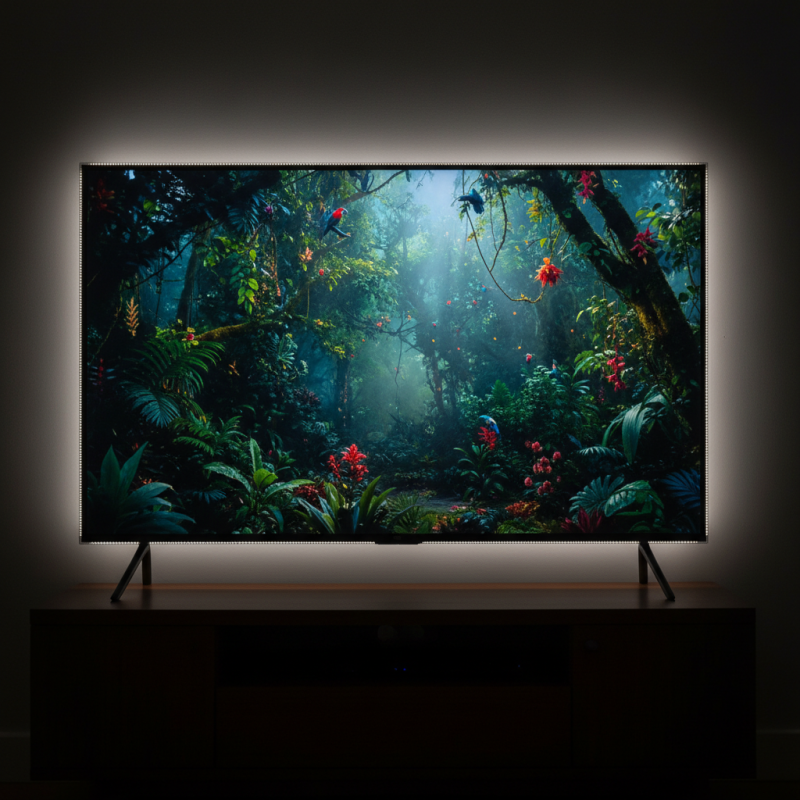
When it comes to enhancing your TV watching experience, understanding "what does LED backlight strips do on TV" is crucial. These strips provide illumination that significantly affects image quality and depth. Without them, colors might appear washed out and contrast would suffer.

LED backlight strips contribute to better visibility, especially in dark environments. They create a sense of immersion by highlighting the vibrant colors in movies and shows. This effect can transform mundane viewing into an engaging spectacle, showcasing the full potential of high-definition screens.

However, not all backlight strips are created equal. Quality can vary, leading to issues like uneven lighting and flickering. These imperfections might detract from the experience, making it essential to choose the right product. Therefore, considering LED backlight quality is as important as selecting the TV itself.
Why Do LED Backlight Strips Matter for Your TV?

Importance of LED Backlight Strips in Modern TV Technology

LED backlight strips play a crucial role in modern TV technology. They enhance picture quality and depth. These strips provide uniform lighting that improves contrast. This leads to richer colors and vivid images. When viewing a movie or show, proper backlighting makes a significant difference. It creates an immersive experience that draws viewers in.

Investing in a TV with quality LED backlight strips can elevate your viewing pleasure. A key tip is to look for TVs with local dimming features. This allows for deeper blacks and improved brightness. Another tip is to ensure that the backlight strips use quality materials. Lesser-quality options may lead to inconsistencies in brightness. Choosing a TV with high-quality components often results in a more reliable and satisfying experience.

However, not all LED backlight options are created equal. Some TVs may have uneven lighting, which can be distracting. It's important to research user reviews to identify potential issues. Pay attention to feedback regarding the backlighting performance. It's vital to balance aesthetics and functionality in your selection process.

Importance of LED Backlight Strips in Modern TV Technology

The bar chart below illustrates the impact of LED backlight strips on TV picture quality and energy efficiency. As the technology has evolved, the advantages of utilizing LED backlight strips have become increasingly significant.

Impact of LED Backlighting on Color Accuracy and Picture Quality

LED backlighting plays a crucial role in enhancing color accuracy. Unlike traditional backlights, LED technology delivers more precise color representation. This results in images that feel more vibrant and lifelike. When watching a movie, you’ll notice deeper blacks and brighter whites.

Picture quality is heavily influenced by LED backlighting. A well-designed backlight can reduce unwanted glare. It can also improve contrast, leading to a more immersive viewing experience. However, not all LED strips are created equal. Some may lead to uneven lighting or color distortions. It's essential to look for quality options for optimal performance.

Many users overlook the importance of backlighting in their TV selection. It’s easy to focus on screen size or resolution. Yet, without quality backlighting, you may miss out on stunning visuals. Reflecting on this can change how you view your favorite shows.

Energy Efficiency Comparisons: LED vs. Traditional Backlighting

LED backlight strips offer significant advantages over traditional backlighting methods in terms of energy efficiency. A study published by the U.S. Department of Energy highlights that LED technology consumes up to 75% less energy compared to older fluorescent or incandescent lighting. This shift not only reduces electricity bills but also lowers the carbon footprint associated with television usage.

In practical terms, consider a 55-inch TV. Using LED backlighting can lead to annual energy savings of around $20 to $30 for the average family. While initial costs for LED TVs may be higher, the long-term savings are considerable. Furthermore, LEDs have a lifespan of over 25,000 hours, significantly outpacing the average 10,000 hours of traditional lighting. However, not all LEDs are created equal. Some models may produce uneven lighting or color discrepancies, requiring consumers to research thoroughly before purchase. The reliability of LED technology can still depend on the quality of the components used.

Maintaining performance standards is crucial. Reports have shown discrepancies in efficiency ratings from different manufacturers. While some claim high lumens per watt, real-world performance can vary, necessitating a measure of skepticism. As technology evolves, consumers must remain informed about innovations while critically assessing product claims regarding efficiency and performance.

Why Do LED Backlight Strips Matter for Your TV?

Backlighting Type Energy Consumption (Watt) Lifespan (hours) Brightness (Lumens) Color Accuracy (CRI)
LED 30W 50,000 1000 90
Traditional (CCFL) 80W 30,000 800 80
OLED 50W 100,000 1300 95

Market Trends: Growth of LED Backlighting in Smart TVs

The rise of LED backlighting in smart TVs is a notable trend. According to a 2022 market report by Fortune Business Insights, the global LED backlighting market was valued at over $20 billion. Its projected growth rate is an impressive 12% annually. This trend indicates a significant shift in consumer demand for better visual experiences.

LED backlighting enhances picture quality. It improves brightness and contrast ratios, providing deeper blacks and more vibrant colors. A survey from FutureSource Consulting found that 72% of consumers prefer TVs with LED technology. This preference shows that consumers value superior image quality. However, not all LED backlighting is created equal. Some models may exhibit uneven lighting, known as "flashlighting," which can detract from the viewing experience.

Moreover, there's a growing focus on energy efficiency. LED technology consumes less power compared to traditional LCD displays. A study by the International Energy Agency suggests that smart TVs with LED backlights can reduce overall energy usage by up to 30%. Despite this, some manufacturers still face challenges in balancing performance and sustainability. This ongoing evolution in LED backlighting technology will shape how we engage with visual content in the future.

Dimming Techniques: How LED Strips Enhance Viewing Experience

Dimming techniques play a pivotal role in optimizing the viewing experience of LED backlit TVs. When properly implemented, these techniques enhance brightness and contrast, leading to a more immersive viewing environment. According to a report from the International Display Research Institute, TVs with dynamic local dimming features can improve perceived contrast by up to 300%. This increase means darker blacks and vibrant colors, essential for enjoying films and shows.

Effective dimming also helps reduce eye strain during extended viewing sessions. Human eyes naturally adapt to varying light levels. By allowing an LED strip to selectively dim sections of the screen, viewers can experience less glare and more comfort. Reports suggest that consistent dimming can result in a 25% reduction in eye fatigue.

Tips: Consider the room's lighting when adjusting your TV's settings. Darker environments benefit most from enhanced dimming features. Regularly calibrate your TV to ensure the backlighting levels suit your particular viewing habits. Small adjustments can yield significant improvements. Reflect on your viewing preferences; are you missing detail in shadowy scenes? Proper dimming could be the solution.

FAQS

: What are the energy savings of LED backlighting compared to traditional lights?

: LED backlighting can save up to 75% more energy than older fluorescent or incandescent lights.

How much can families save annually with LED TVs?

Families may save between $20 to $30 each year by using LED backlight technology on their TVs.

What is the lifespan of LED backlighting?

LEDs typically last over 25,000 hours, far exceeding the average lifespan of 10,000 hours for traditional lighting.

Are all LED models equally efficient?

No, some LED models may have uneven lighting or color issues, so research before making a purchase is essential.

What trends are emerging in the LED backlighting market?

The global LED backlighting market is growing, valued at over $20 billion, with an annual growth rate of 12%.

How do dimming techniques benefit LED backlit TVs?

Dimming techniques can enhance brightness and improve contrast, leading to a more immersive viewing experience.

Can dimming features reduce eye strain?

Yes, effective dimming can lower glare and reduce eye fatigue by about 25% during long viewing sessions.

What should I consider when setting up dimming on my TV?

Consider the room's lighting; darker rooms benefit more from proper dimming adjustments for enhanced viewing comfort.

How important is it to calibrate my TV regularly?

Regular calibration is crucial as it adjusts backlighting to suit your viewing habits, improving overall picture quality.

Is there a risk in believing manufacturers' efficiency claims?

Yes, efficiency ratings can vary greatly among manufacturers, so it's wise to approach claims with some skepticism.

Conclusion

LED backlight strips play a crucial role in modern TV technology by enhancing color accuracy and overall picture quality. What do LED backlight strips do on TV? They provide uniform lighting that improves contrast and brightness, allowing for more vivid colors and deeper blacks. This is especially important in viewing environments with varying lighting conditions.

Furthermore, LED backlighting is more energy-efficient compared to traditional methods, leading to reduced power consumption and lower electricity bills. The growth of LED backlighting in smart TVs reflects market trends, where consumers increasingly prefer devices that offer superior visual experiences. Additionally, advanced dimming techniques employed by LED strips further enhance the viewing experience, adapting to the content being displayed for optimal visual fidelity.


Amelia

Amelia

Amelia is a seasoned marketing professional with a wealth of expertise in our company’s core offerings. With an unwavering passion for driving growth and innovation, she plays a pivotal role in shaping our marketing strategies and enhancing brand visibility. A key aspect of her responsibilities......