LED TV has become a popular choice among consumers. Its vibrant colors and thin design attract many buyers. Understanding what an LED TV is can help you make informed decisions.
LED stands for Light Emitting Diode. This technology enhances traditional LCD screens. The backlighting is what makes images bright and colorful. Many people enjoy the clarity of LED TVs. They offer better contrast and efficiency compared to older models.
Despite their advantages, not all LED TVs are created equal. Some lower-end models might not provide the best picture quality. It’s essential to research different brands and their technologies. By doing so, you can avoid common pitfalls associated with buying an LED TV.
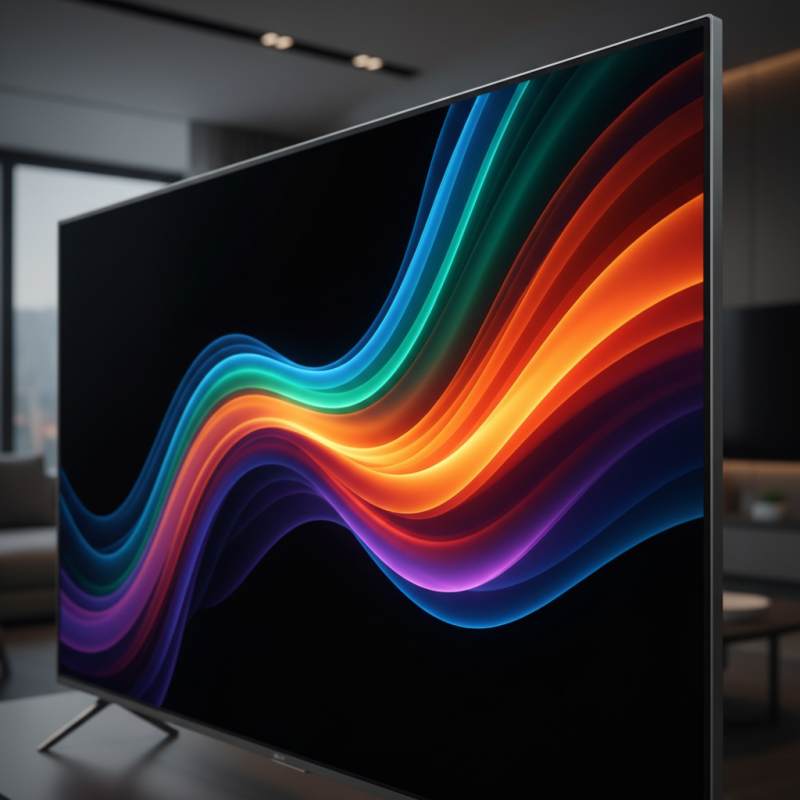
An LED TV, or Light Emitting Diode television, utilizes a display technology that has revolutionized how we view images. Unlike traditional LCD TVs, which use fluorescent backlighting, LED TVs use a network of tiny LEDs. These LEDs enhance brightness and contrast, providing a more vibrant picture. Many people are drawn to LED TVs for their slim profile and energy efficiency.
While LED technology improves image quality, it's important to note that not all LED TVs are created equal. Some models employ full-array backlighting, while others use edge lighting. This difference can impact uniformity and brightness across the screen. Due to this variation, consumers may notice that picture quality can differ widely between setups.
In essence, LED TV technology is both advanced and flawed. While it offers significant benefits, not every product meets high standards. Reviews and specifications play a crucial role in helping buyers make informed decisions. Engaging with experienced reviewers can clarify the complexities of LED technology, ensuring a better understanding for potential buyers.
LED TVs are a popular choice for many viewers. They utilize light-emitting diodes, or LEDs, to enhance display quality. This technology improves brightness, contrast, and color accuracy. The fundamental component of an LED TV is its backlighting system, which uses LEDs either around the screen or behind it.
One key aspect of LED technology is its energy efficiency. LED TVs typically consume less power compared to traditional LCDs. This efficient power usage not only benefits the environment but also saves on electricity bills. However, potential buyers should consider the lifespan of these LEDs. Over time, brightness can diminish, leading to a less vibrant display.
Tips: When purchasing an LED TV, verify the contrast ratio and color accuracy. These elements significantly impact picture quality. Also, be cautious about choosing models with edge-lit designs. They may compromise uniformity in brightness. Understanding these specifications can lead to a more satisfying viewing experience. Choose wisely based on your viewing habits and room conditions.
When comparing LED TVs to other technologies, notable differences arise. LED TV technology relies on liquid crystal display (LCD) panels illuminated by light-emitting diodes. In contrast, OLED TVs use organic compounds that emit light when an electric current passes through them, providing deeper blacks and better contrast. According to recent market research, OLED TVs are estimated to represent around 20% of the TV market by 2025, showcasing growing consumer interest.
Furthermore, traditional LCD TVs often employ cold cathode fluorescent lamps (CCFLs) for backlighting. This results in lower energy efficiency and poor black levels compared to LED and OLED technologies. A report from TechRadar indicates that LED TVs can consume up to 30% less power than CCFLs. This efficiency not only reduces electricity bills but also supports sustainability efforts.
**Tip:** When choosing a TV, consider the brightness of your room. For bright rooms, an LED TV may outperform OLED. An LED TV displays vibrant colors, even in well-lit environments. However, in darker settings, OLED can provide a more immersive viewing experience. Always think about your viewing habits and environment before making a decision.
LED lighting plays a crucial role in the functionality of LED TVs. Unlike traditional LCD screens, LED TVs use light-emitting diodes to illuminate the display. This allows for thinner designs and improved energy efficiency. The diodes provide bright and vivid colors, enhancing the viewing experience.
The working mechanism of LED backlighting is fascinating. It typically involves two methods: edge-lit and back-lit configurations. In edge-lit models, LEDs are placed along the screen’s edges. This allows light to spread across the display. Back-lit models, on the other hand, place LEDs directly behind the screen. This results in better brightness and contrast. However, both methods can have challenges, such as uneven lighting or color accuracy issues.
LED technology also contributes to deeper blacks and vibrant colors. The contrast ratio can be significantly improved when the backlighting is controlled more precisely. Nevertheless, some users may notice halos around bright objects. This is a point of contention for many. Despite these imperfections, LED TVs continue to revolutionize how we experience visual content.
LED TVs have gained popularity due to their vibrant colors and energy efficiency. The technology works by using light-emitting diodes to illuminate the screen. This results in brighter images and deeper blacks compared to traditional LCDs. However, while the brightness is appealing, some users notice that color accuracy can vary across different viewing angles.
One key benefit of LED TVs is their slim design. This allows for easy wall-mounting and creates a modern aesthetic. Energy consumption is another major advantage. LED TVs typically use less power than older models, which can lead to savings on electricity bills. However, they can also present limitations. For example, backlight bleeding may occur, where light leaks around the edges of the screen. This can affect the overall viewing experience.
Another aspect to consider is the cost. While prices have decreased, high-end models can still be expensive. It’s essential to weigh these factors based on personal preferences and budget. Users should consider their viewing habits and the environment where the TV will be placed. Understanding these benefits and limitations helps in making an informed decision when purchasing an LED TV.
: An LED TV uses light-emitting diodes for display. It improves image quality and offers better brightness.
Unlike LCD TVs with fluorescent backlighting, LED TVs use a network of tiny LEDs for improved performance.
No, quality varies. Some use full-array backlighting, while others have edge lighting, affecting brightness and uniformity.
Check contrast ratio and color accuracy. These factors play a key role in picture quality and viewing experience.
Yes, LED TVs usually consume less power than traditional options, which can lower electricity costs.
Yes, over time, the brightness of LEDs can decline. This may impact the quality of the display over years.
Reviews provide insights on performance and features. Engaging with experienced reviewers can enhance your understanding.
Yes, edge-lit models may have uneven brightness. It’s essential to be aware of these trade-offs when selecting a TV.
The backlighting system is crucial. It can be located around the screen or directly behind it, affecting overall quality.
Your viewing habits and room conditions should guide your decision. Make sure to select a model suited to your needs.
An LED TV is a type of flat-screen television that utilizes light-emitting diodes (LEDs) to illuminate the display. The technology behind LED TVs is rooted in an LCD (liquid crystal display) panel, where LEDs serve as the backlighting source, significantly enhancing brightness and color accuracy compared to traditional LCDs. When compared to other TV technologies, such as OLED and plasma, LED TVs offer distinct advantages, including better energy efficiency and a slimmer profile.
The functionality of LED lighting in these TVs allows for a varied contrast ratio and superior image quality, making them popular among consumers. However, while LED TVs boast numerous benefits such as improved longevity and reduced energy consumption, they also have limitations, such as potential issues with viewing angles and uniformity of backlighting. Overall, LED TVs represent a significant advancement in television technology, combining performance and efficiency for a better viewing experience.
Junhengtai Electronic