Testing TV LED backlight strips can be a crucial task for maintaining your television's performance. Understanding how to test TV LED backlight strips effectively ensures a brighter and more enjoyable viewing experience. LED backlighting is essential for displaying vibrant colors and deep contrasts.
When faced with dimming issues, it's vital to explore effective testing methods. Many users struggle with identifying the root causes of backlight failures. This process requires some technical know-how, but it is manageable with the right approach. The goal is to ensure each strip functions optimally.
While it may seem daunting, practice and patience can lead to success. Ensure you have the necessary tools handy before starting the test. You might not get immediate results, or perhaps you'll notice inconsistencies in performance. Such moments can be learning opportunities to refine your testing technique. By understanding how to test TV LED backlight strips, you can prolong the life of your television and enhance its display quality.
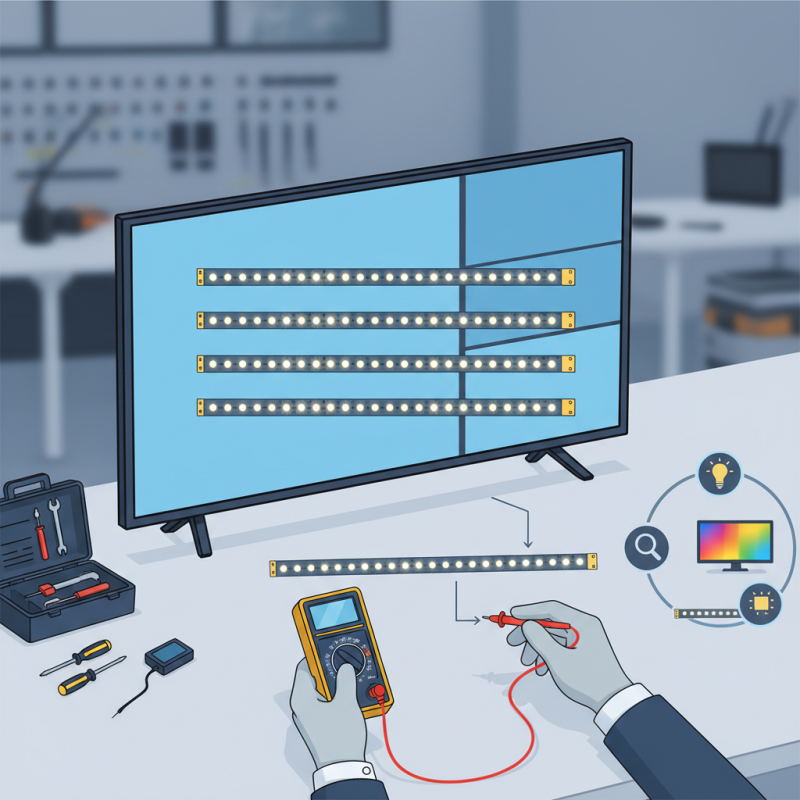
TV LED backlight strips play a crucial role in enhancing your viewing experience. These strips illuminate the screen from behind, providing brighter images and better contrast. Understanding their functionality is essential for anyone interested in maintaining or upgrading their television.
These backlight strips come in various designs and specifications. They usually comprise multiple LEDs spaced along a strip. These LEDs work together to provide uniform lighting. However, issues can arise over time. Some might flicker or fail altogether. Identifying these problems can be tricky. Regular checks can help you catch these issues before they worsen.
Testing the LED backlight strips effectively requires attention to detail. You can use a flashlight to inspect for any dark spots. This method is simple and can reveal problems quickly. If you notice any abnormal changes in brightness, it may indicate a failing strip. Remember, not all methods will work perfectly, and sometimes, testing might lead to unease about what you find. It's essential to be realistic about the information gathered from testing.
Testing TV LED backlight strips requires specific tools and equipment. Accurate testing depends on quality devices. A multimeter is essential. It measures voltage and continuity, ensuring your LED strips function correctly. Using a multimeter can uncover hidden issues.
A power supply is another critical piece of equipment. It helps eliminate doubts about power delivery. Always set the voltage to match the LED specifications. Connecting strips to an appropriate power supply prevents potential damage.
A light meter is beneficial for assessing brightness. It can reveal discrepancies in LED output. Inconsistent brightness could indicate problems worth investigating. Having these tools will enhance your testing capabilities, but it is vital to use them carefully. Testing procedures may not be foolproof; rechecking results can offer reassurance.
Inspecting LED backlight strips in TVs is crucial for maintaining optimal display quality. To begin, power off the TV and let it cool down. Then, gently remove the panel to access the backlight strips. Use a multimeter to check for continuity in the LED strips. According to industry reports, around 30% of LED failures are due to internal circuit damage. This makes thorough inspection essential.
Next, examine each LED for physical signs of damage. Look for discoloration, flickering, or inconsistency in brightness. Research indicates that nearly 15% of LEDs may show such issues over time. A reliable troubleshooting tip is to alternate power to see if any LEDs illuminate differently. This hands-on approach helps identify faulty sections more accurately.
During your inspection, consider the ambient light conditions. Excessive brightness from other sources can distort your assessment. Keep a note of any recurring issues, as repeated failures in certain strips might indicate a design flaw. Understanding these nuances is key to effective testing.
| Test Method | Description | Expected Result | Notes |
|---|---|---|---|
| Visual Inspection | Check for any visible damages or signs of wear on the LED strips. | No visible cracks, corrosion, or discoloration. | Look for any loose connections. |
| Voltage Test | Use a multimeter to measure voltage across the LED strip terminals. | Reading matches the specified voltage for the strip. | Ensure TV is powered off before connecting the multimeter. |
| Current Test | Measure current draw while the LED strips are operating. | Current within the expected range for the LED model. | Monitor for fluctuations or spikes in current. |
| Light Output Test | Evaluate the brightness and consistency of light emitted from the strips. | Uniform brightness across all strips; no dimming. | Consider testing with an LED light meter for accuracy. |
| Heat Evaluation | Check for excessive heat generation during operation. | Minimal heat - strips should not overheat. | Overheating could indicate a problem. |
Malfunctioning LED backlight strips can lead to various issues in television displays. Common symptoms include uneven brightness, flickering, and color distortion. These problems often arise from faulty connections, damaged strips, or power supply issues. According to industry reports, nearly 30% of TV repairs relate to backlight failures. This highlights the importance of proper testing and maintenance.
When testing backlight strips, a multimeter can be instrumental. Measuring voltage across the strip helps identify if there’s an electrical issue. Checking for continuity ensures the strips are not damaged. If the backlight flickers, this may indicate a failing LED or poor connections. In such cases, replacing the faulty component is often necessary.
Tips: Regularly inspect your TV’s backlight system. Look for any changes in brightness or color. Spotlighting issues early can prevent further damage. Sometimes, issues may not be immediately visible. Staying vigilant can save time and money in repairs. Consider consulting professional services for thorough diagnostics if problems persist.
When dealing with defective TV LED backlight strips, it's crucial to know the signs of failure. Common indicators include uneven brightness or a dark screen. According to a report by the Consumer Electronics Association, approximately 15% of LED televisions experience backlighting issues within the first three years of use. This statistic emphasizes the importance of understanding backlight systems in televisions.
Replacing backlight strips can be tricky yet rewarding. Start by safely disassembling the TV. Keep an eye on fragile components. Use a multimeter to test the strips' functionality. Sometimes, a single faulty LED can cause significant issues across the entire strip. A study conducted by the IEEE recommended examining the entire assembly rather than replacing individual LEDs, as this can save time and resources.
Moreover, repair may not always be possible. Budget and skill level play a role in decision-making. Some users might opt for professional repair services, while others find DIY solutions more appealing. Reflecting on a repair journey, one might discover knowledge gaps or tools they didn't have. Each replacement or repair teaches something new, contributing to overall expertise in handling LED backlights.
: They illuminate the screen from behind, improving brightness and contrast for better viewing.
Turn off the TV, let it cool, then remove the panel to access the strips.
A multimeter can help check for continuity and measure voltage in the strips.
Look for flickering, uneven brightness, or discoloration in the LEDs during inspection.
About 30% of TV repairs are related to LED backlight failures. Early detection can save costs.
Use a flashlight to find dark spots or test for brightness changes in the LED strips.
Sometimes, testing may lead to unexpected findings, making it harder to pinpoint problems.
Faulty connections, power supply issues, or damaged strips are common culprits.
If problems persist, seeking professional diagnostics can provide peace of mind and accurate repairs.
Excessive ambient light can distort your assessment. Ensure a dark environment for better visibility.
In the article titled "How to Test TV LED Backlight Strips Effectively?", we explore the essential aspects of understanding TV LED backlight strips and their crucial role in display performance. The first section provides insight into the functionality of these strips, allowing users to appreciate their importance in achieving vibrant visuals. We then discuss the necessary tools and equipment required for effective testing, ensuring readers are well-equipped for the task.
Following this, a detailed step-by-step guide outlines the inspection process of LED backlight strips, highlighting common issues that may arise due to malfunctions. By recognizing these problems, users can make informed decisions about either replacing or repairing defective strips. This comprehensive approach not only aids in troubleshooting but also equips readers with knowledge on how to test TV LED backlight strips effectively, ultimately leading to an enhanced viewing experience.

Junhengtai Electronic