Choosing the right LED TV can be overwhelming. The market is filled with numerous brands, each offering unique features. In a rapidly evolving technology landscape, it's crucial to understand what sets each brand apart.
LED TVs provide exceptional picture quality and energy efficiency. When looking for your next purchase, factors like display resolution, smart features, and sound quality must be considered. Not every brand excels in all areas, and sometimes, even reputable brands may have shortcomings.
Researching trusted reviews and real user experiences can guide your decision-making process. Pay attention to warranty details and customer support options as well. This investment should enhance your viewing experience. Ultimately, selecting the right LED TV brand involves balancing quality, price, and personal preferences.
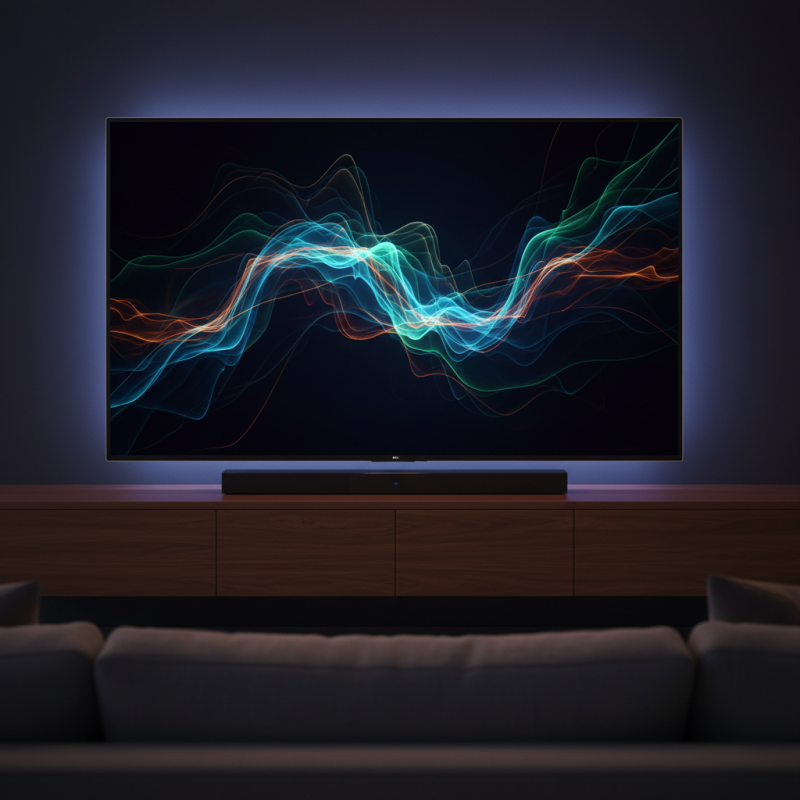
LED TV technology has transformed home entertainment. These televisions utilize light-emitting diodes to enhance display quality. The result? Stunning colors and deep blacks. This technology also allows for thinner designs, making TVs more versatile for modern living spaces.
One important aspect of LED TVs is their varying features. Some models come equipped with 4K resolution, which provides sharper images. Others may have HDR capabilities for better color contrast. However, not every viewing environment showcases these features equally. Reflections in bright rooms can disrupt the viewing experience. It’s essential to consider your space when selecting a model.
Not all LED TVs offer the same performance either. Some cheaper options may compromise on picture quality or build reliability. Users often express dissatisfaction with poor viewing angles or sound output. These factors are critical to the overall experience. Researching before a purchase can help avoid these pitfalls. Understanding specifications helps ensure a satisfying upgrade for your home.
When selecting the best LED TV brands, focus on key criteria to ensure a worthwhile investment. Picture quality stands out as a primary consideration. Research indicates that consumers prioritize brightness, color accuracy, and contrast. A report by the Consumer Technology Association noted that enhanced display technologies are crucial for an immersive viewing experience.
Moreover, reliability and durability are essential factors. Studies show that the lifespan of LED TVs can vary significantly among brands, making it vital to choose a reputable manufacturer. Performance ratings highlight that some brands maintain better performance over time, while others may lead to disappointment.
Additional elements include smart features and user interface. The trend toward smart TVs means that your choice should offer easy navigation and app compatibility. A recent survey revealed that 70% of consumers value intuitive software and seamless connectivity. It's evident that while many brands offer appealing designs, the underlying technology and user experience can make or break your satisfaction.
When considering a new LED TV, it’s essential to compare brands based on various factors. Picture quality, features, and durability are crucial. Different brands offer unique technologies, like enhanced contrast and color accuracy. Viewing angles can vary widely between models, impacting your experience.
Tips: Look for models with high refresh rates for smoother motion. This is especially important for sports and action films.
User reviews can provide insights into real-world performance. Many buyers highlight the importance of smart features. Streaming capabilities and user interfaces vary among brands. Research these aspects to find a TV that meets your needs.
Tips: Check energy efficiency ratings. Some TVs consume more power than others, affecting long-term costs.
Warranty and customer service should not be overlooked. Reviews often reveal the reliability of a brand's support. A good warranty can save you money in the event of issues. Understanding these factors will help you make an informed decision.
When choosing an LED TV, customer reviews and ratings can be invaluable. Many users share their experiences, highlighting image quality, sound, and durability. These aspects often influence decisions. A TV that excels in one category might disappoint in another. For instance, a model may boast vibrant colors but lack decent sound.
Tip: Read a variety of reviews. Focus on what matters to you. Look for reviews that mention long-term use. This can provide insights into reliability. Customers often share issues that surface after a few months.
Another point to consider is the user interface. Sometimes, a visually stunning TV can have a frustrating operating system. Look for feedback on ease of use. A complex menu system can turn your purchase into a hassle.
Tip: Take note of warranty information. A strong warranty reflects a brand's confidence in its product. However, not all warranties cover the same issues. Check customer feedback on warranty claims for added clarity.
The landscape of LED TV technology is rapidly evolving. Consumer demand drives brands to innovate continuously. We see impressive advancements in display quality and design. Next-generation LED TVs boast sharper resolutions, deeper blacks, and vibrant colors. Some models now feature microLED technology, providing an immersive viewing experience.
Smart features are becoming more refined. Integration with AI allows for personalized viewing experiences. Users can enjoy tailored recommendations based on their preferences. Improvements in energy efficiency are also notable. Brands are focusing on sustainable practices while enhancing performance. These choices may not always meet every consumer's needs, prompting discussions about value versus cost.
Challenges in this fast-paced market persist. Not all new features resonate with users. Some struggle with usability or complexity. Innovation must balance cutting-edge technology with practicality. Consumers often feel overwhelmed by choices. As brands seek to differentiate, they must also ensure reliability and user satisfaction. Understanding these trends helps when considering a future purchase.
| Rank | Brand | Screen Size Range (inches) | Resolution | Smart Features | Average Price (USD) |
|---|---|---|---|---|---|
| 1 | Brand A | 43 - 75 | 4K UHD | Yes | $800 |
| 2 | Brand B | 50 - 82 | 8K UHD | Yes | $1500 |
| 3 | Brand C | 32 - 65 | Full HD | No | $400 |
| 4 | Brand D | 55 - 85 | 4K UHD | Yes | $1200 |
| 5 | Brand E | 40 - 70 | 8K UHD | Yes | $1800 |
| 6 | Brand F | 50 - 75 | 4K UHD | Yes | $1000 |
| 7 | Brand G | 42 - 75 | 4K UHD | No | $600 |
| 8 | Brand H | 55 - 85 | 4K UHD | Yes | $1300 |
| 9 | Brand I | 32 - 65 | Full HD | Yes | $450 |
| 10 | Brand J | 40 - 76 | 8K UHD | Yes | $2000 |
: LED TV technology uses light-emitting diodes for better display quality. Colors are vivid, and blacks are deep.
Bright rooms can cause reflections that disrupt viewing. Consider your space when selecting a model.
No, performance varies. Cheaper models may have poorer picture quality or sound output, leading to dissatisfaction.
Check specifications, user reviews, and brand reliability. This helps avoid common pitfalls and enhances satisfaction.
High refresh rates lead to smoother motion during action scenes. This is crucial for sports and fast-paced content.
Smart features vary by brand and model. They can improve usability but might also complicate the experience for some users.
Energy efficiency ratings affect long-term costs. Some models consume more power, which can be a financial consideration.
Yes, a good warranty is important. It can save you money on repairs or issues that may arise.
Future trends include microLED tech and smarter features, improving display quality and user personalization.
Not all new features resonate with everyone. Some may find innovations complex or unnecessary, prompting reflection on value.
In the rapidly evolving world of LED TV technology, discerning the best options for your next purchase can be challenging. Understanding the features and specifications of LED TVs is crucial, as advancements in technology continue to enhance viewing experiences. Criteria for selecting the right LED TV brand include picture quality, energy efficiency, and smart features, alongside customer reviews that provide insight into real-world performance and satisfaction.
This article presents a comparative analysis of the top 10 LED TV brands, highlighting their strengths and weaknesses based on expert evaluations and consumer feedback. Additionally, it explores future trends in LED TV technology, such as improvements in display quality and the integration of innovative features. By considering these aspects, potential buyers can make informed decisions, ensuring they select a LED TV that meets their entertainment needs while keeping up with the latest technological advancements.

Junhengtai Electronic