Product Applications
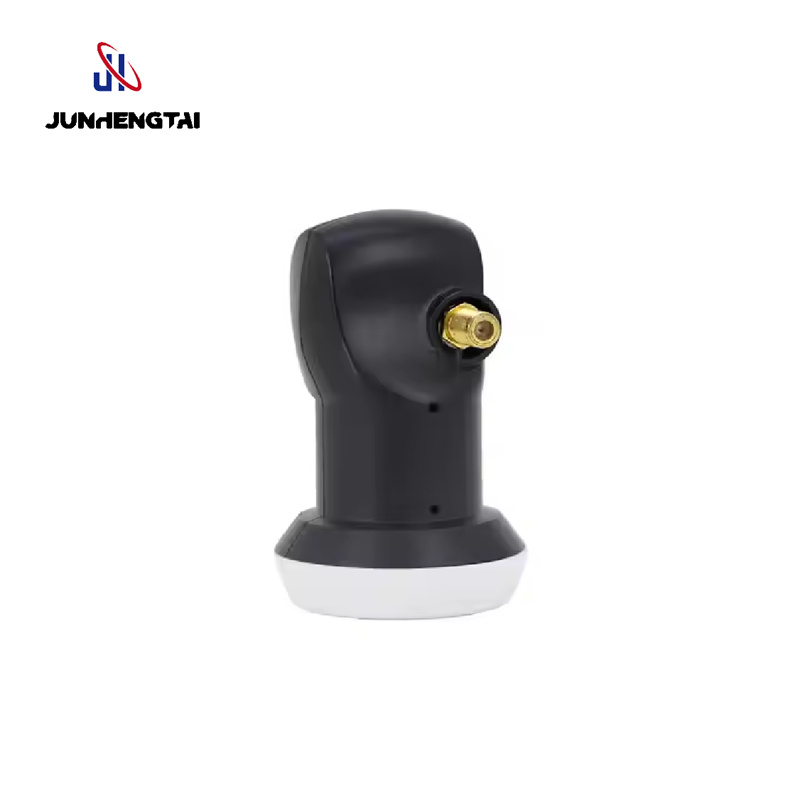
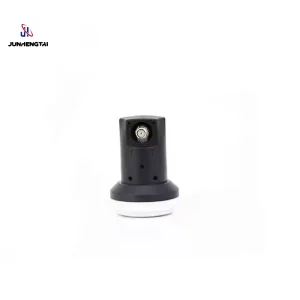
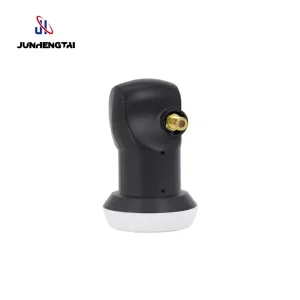
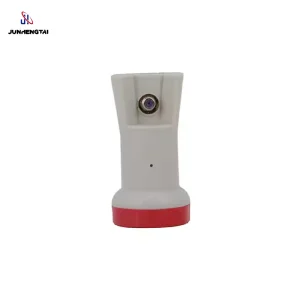
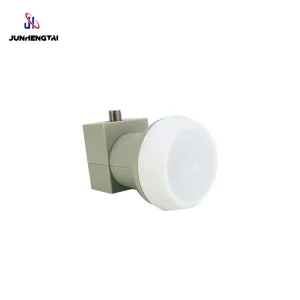
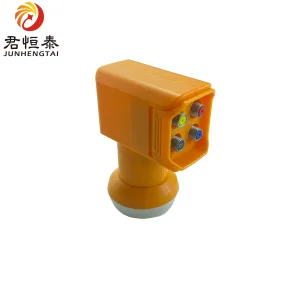
Installation: Mount the LNB on a satellite dish, ensuring it is securely fastened to the feed horn. Connect the LNB to a coaxial cable using an F-type connector.
Alignment: Point the dish towards the desired satellite position. Use a signal meter to fine-tune the dish alignment for optimal signal strength.
Connection: Connect the coaxial cable to a compatible satellite receiver or set-top box. Power on the receiver and configure it to receive the desired satellite signals.
Usage: Enjoy high-quality satellite TV broadcasts, including both standard and high-definition channels.
Commercial Applications
Installation: Install the LNB on a commercial-grade satellite dish, ensuring it is properly aligned with the satellite’s orbital position.
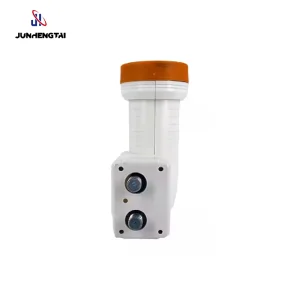
Distribution: Connect the LNB to a signal splitter or distribution amplifier to supply signals to multiple viewing areas (e.g., hotel rooms, bar TVs).
Setup: Connect each output from the distribution system to individual satellite receivers. Configure each receiver for the desired programming.
Usage: Provide consistent and high-quality satellite TV services to multiple locations within a commercial facility.
Installation: Mount the LNB on a satellite dish at the remote location. Ensure the dish is properly aligned to receive signals from the designated satellite.
Connection: Connect the LNB to a data receiver or modem that processes satellite signals for monitoring or data transmission.
Configuration: Set up the data receiver to decode and transmit the received signals to a central monitoring station.
Usage: Receive real-time data from remote sensors, weather stations, or other IoT devices via satellite.
Frequently Asked Questions
What is the primary function of an LNB in these applications?
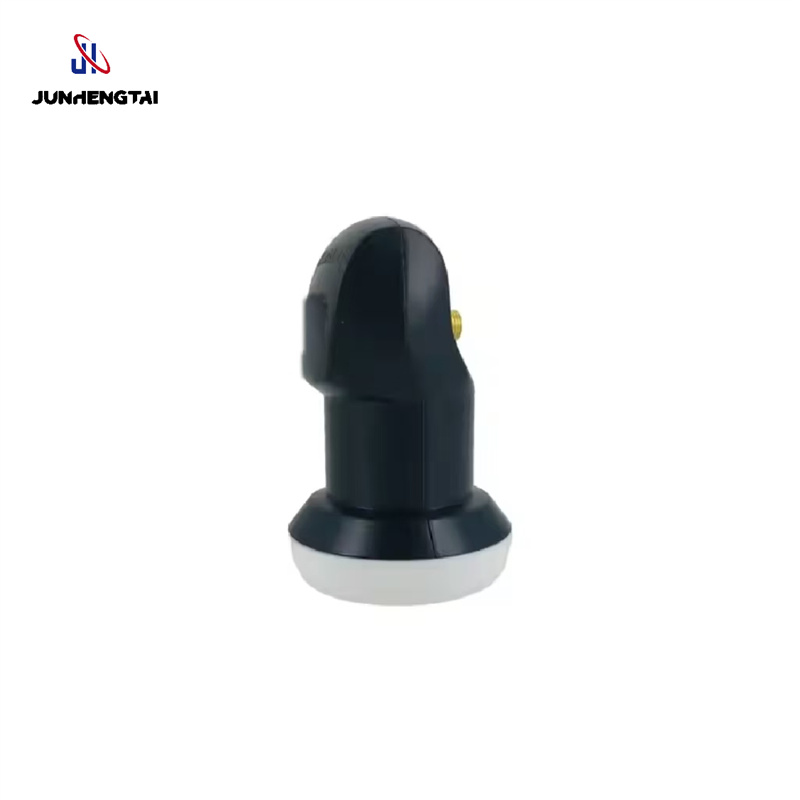
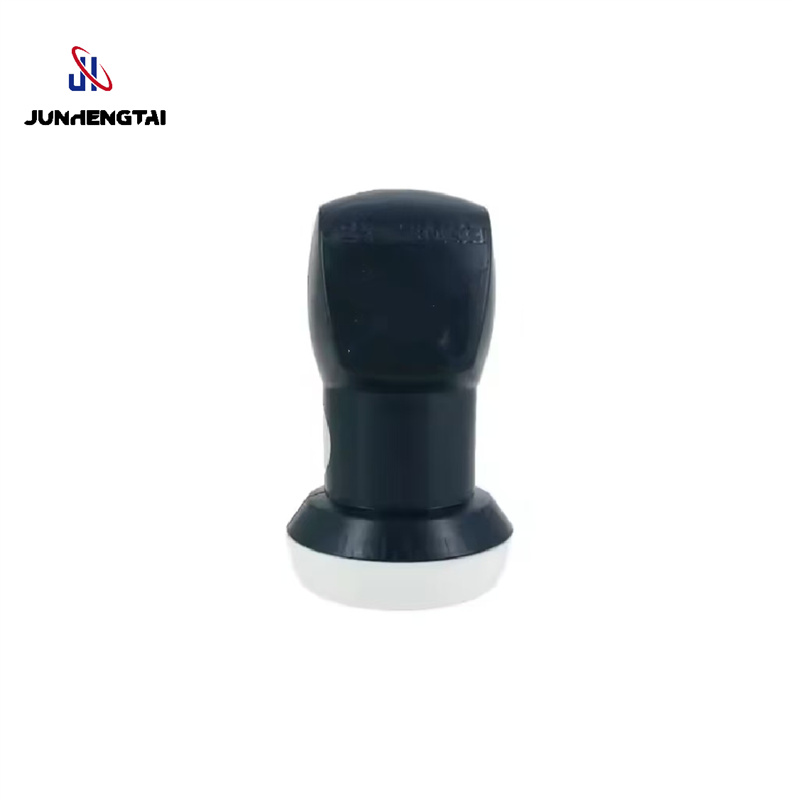
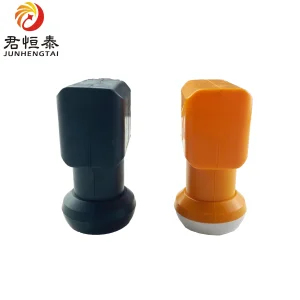
The LNB (Low Noise Block) receives the satellite signal collected by the dish, amplifies it, and down-converts it to a lower frequency for transmission through coaxial cables to the receiver.
Can one LNB support multiple television sets in a commercial building?
Yes, by connecting the LNB to a signal distribution amplifier or splitter, the signal can be distributed to multiple receivers across different rooms or areas.
Does this equipment support high-definition (HD) broadcasts?
Absolutely. These systems are designed to deliver both standard and high-definition satellite TV signals for a superior viewing experience.
Is professional alignment necessary for the satellite dish?
While basic installation can be done manually, using a signal meter for precise alignment is highly recommended to ensure maximum signal strength and stability.
How is the LNB used in remote data transmission?
In remote setups, the LNB acts as the downlink receiver for data transmitted via satellite, which is then processed by a modem or data receiver for IoT or monitoring purposes.
What type of cables are required for connection?
Standard high-quality coaxial cables equipped with F-type connectors are typically used to connect the LNB to the receiver or distribution system.
 Junhengtai Electronic